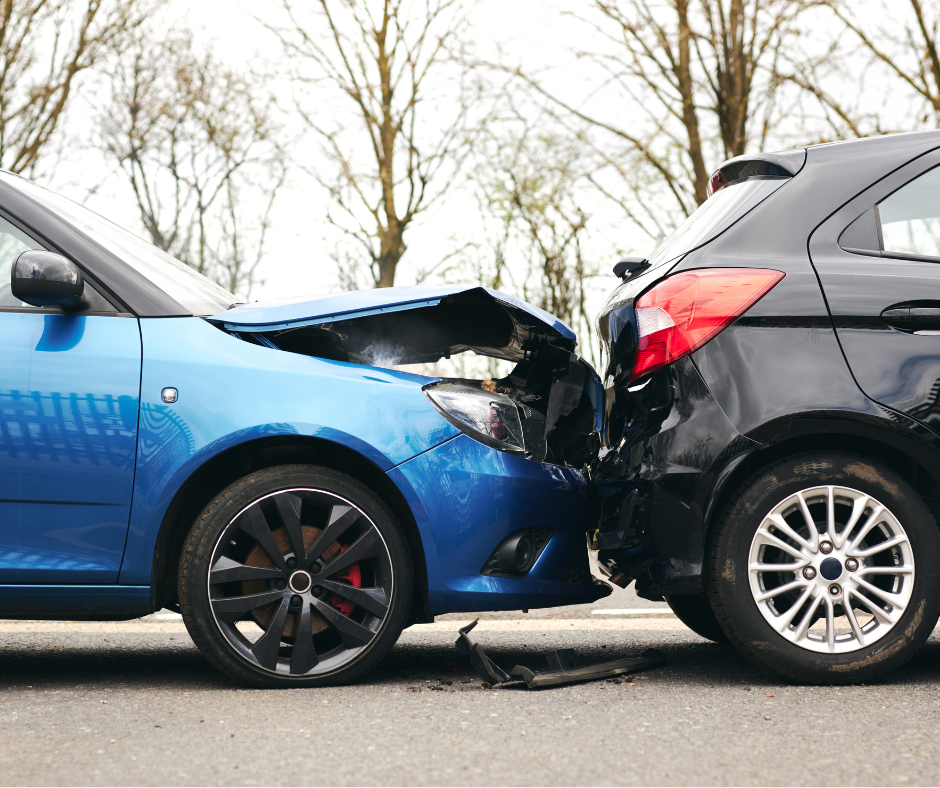
What Happens If You’re At Fault in a Car Accident in Oklahoma?
August 10, 2026
At Fault in a Car Accident
If you’re at fault in a car accident in Oklahoma, your insurance rates will likely rise, the crash will show up on your driving record, and you may owe the other driver for damages that exceed your policy limits.
Car accident claims can get complicated fast, especially when fault is disputed. Here’s what to expect if you caused a crash in Oklahoma, and what to do next.
Overview:
- Is Oklahoma an At-Fault or No-Fault State?
- What Happens If You’re At Fault for a Car Accident in Oklahoma?
- What Is Modified Comparative Negligence in Oklahoma?
- How Is Fault Determined After a Car Accident?
- Should You Admit Fault to Your Insurance Company?
- Should You File a Claim If You’re At Fault?
- Do You Need a Lawyer If the Accident Was Your Fault?
- What Should You Do After a Car Accident?
- What Should You Avoid Doing After a Car Accident?
Is Oklahoma an At-Fault or No-Fault State?
Oklahoma is an at-fault, or tort, state. Unlike a no fault system, where each driver uses their own insurance for medical expenses regardless of who caused the crash, Oklahoma holds the driver who caused the crash financially responsible for the resulting damages. In at-fault states, liability insurance covers damages caused by the at-fault driver and pays for the other driver’s losses, including injuries and property damage.
All Oklahoma drivers are required to carry liability insurance meeting the state’s 25/50/25 minimum insurance coverage: $25,000 in bodily injury coverage per person, $50,000 per accident, and $25,000 for property damage.
What Happens If You’re At Fault for a Car Accident in Oklahoma?
If you caused the crash, expect some combination of the following:
- Financial responsibility. Your liability coverage pays the other driver’s medical bills and property damage up to your policy limits. If coverage is not enough, the at fault driver may have to pay repair costs and other losses out of pocket.
- Higher premiums. Your insurance rates will likely increase. In many cases, car insurance rates rise significantly after serious accidents, leading to higher insurance premiums that can last for three to five years, and some insurers may cancel or refuse to renew your insurance policy.
- Possible legal action. If injuries or damages are serious, the other driver can sue you directly, especially if the claim exceeds your policy limits, and may file a personal injury lawsuit to recover the rest.
- A mark on your record. The accident goes on your driving record and can affect your insurance eligibility and rates going forward, and an at-fault accident may stay there for three to ten years.
- A criminal charge, if you leave the scene. Oklahoma law requires drivers to stay at the scene of any accident involving injury or property damage and exchange information. Leaving before doing so is a hit-and-run, and it becomes a felony if someone dies from their injuries.
What Is Modified Comparative Negligence in Oklahoma?
Oklahoma uses a modified comparative negligence rule under 23 O.S. § 13. Fault doesn’t have to be all or nothing. Instead, comparative negligence assigns fault percentages to each driver, and any financial recovery is reduced by that same share.
Here’s how it plays out:
- If you’re partly at fault, any damages you recover are reduced by your percentage of fault, which affects how much you can recover damages. For example, if you’re found 20% responsible for a $100,000 loss, you’d recover $80,000.
- If you’re 51% or more at fault, you can’t recover anything from the other driver.
- The same math applies against you: if the other driver is pursuing a claim and you’re found partially responsible, your insurer covers your share of their damages.
Some states use pure comparative negligence, which can still allow a party involved to recover damages even when mostly at fault, unlike Oklahoma’s 51% bar.
This threshold is what makes an accurate fault determination so important. A few percentage points can be the difference between recovering something and recovering nothing.
How Is Fault Determined After a Car Accident?
Insurance adjusters and, if needed, courts look at several pieces of evidence because insurance companies determine fault by analyzing evidence, and negligence must be shown to establish liability after a car crash:
- The police report, including any citations issued at the scene; police reports are often crucial to determine fault
- Traffic law violations, like running a red light, speeding, or failure to yield, because violations of traffic laws help show fault
- Witness statements from anyone who saw the crash; they can corroborate or dispute the drivers’ accounts
- Physical evidence from the accident scene and vehicles involved, such as skid marks, damage, and camera footage
- Accident reconstruction, in more serious or disputed cases
- Statements from the drivers involved, including any admissions made at the scene
Each insurer assigns an adjuster to review the evidence tied to the insurance claim and determine liability. When fault is contested, insurers review all available evidence to see who is at fault in a car accident, and the case can move to arbitration or litigation.
Should You Admit Fault to Your Insurance Company?
No. Stick to the facts when you talk to your insurer. Let the adjusters and evidence determine liability. An offhand “I’m sorry” or “I didn’t see them” at the scene or in a claims call can be used against you later, even if you weren’t fully at fault.
Should You File a Claim If You’re At Fault?
Yes. Filing a claim lets your car insurance company handle communication with the other driver’s insurer and cover their damages up to your policy limits, so notify your insurer promptly after the accident. Skipping this step doesn’t make the problem go away, and it can put your own coverage at risk, so file an insurance claim even if you were at fault. Keep detailed records of calls, emails, letters, and claim updates in your driver files.
Do You Need a Lawyer If the Accident Was Your Fault?
Oklahoma doesn’t require you to hire an attorney after an at-fault accident, but legal help can be especially useful if the crash could become a car accident case or lead to the legal process of a lawsuit, particularly if:
- Injuries or damages are severe enough that a lawsuit is possible, including claims by other drivers and, in some situations, other parties who contributed to the crash
- The other driver’s insurance company disputes your policy’s coverage
- You’re unsure how the modified comparative negligence rule applies to your situation in personal injury cases and how fault could affect a claim or lawsuit
- You want someone negotiating with insurers on your behalf
A car accident attorney or personal injury lawyer can explain your obligations, handle communication with the other party’s insurer, help you avoid costly mistakes, and protect your rights if a lawsuit follows. Many car accident lawyers also offer a free consultation.
What Should You Do After a Car Accident?
- Stay at the scene. Oklahoma law requires it for any crash involving injury or property damage.
- Call the police immediately and get a copy of the accident report.
- Exchange information with the other driver: name, contact info, license, registration, and insurance.
- Document the scene by gathering all relevant information at the accident scene, including photos, witness contact information, and details for every vehicle or driver involved.
- Notify your insurance company promptly, but stick to facts and keep written records of your report.
- Seek medical attention even if injuries seem minor, because prompt treatment helps document medical expenses and creates medical records that may be important later.
- Talk to a lawyer if injuries or damages are significant; a personal injury lawyer may help protect your rights in more serious cases.
Get a free personal injury consultation by calling (405) 607-8757 or filling out the contact us form.
What Should You Avoid Doing After a Car Accident?
- Leaving the scene before exchanging information or being cleared by police
- Delaying medical care, which can both hurt your health and weaken your claim
- Missing deadlines. Oklahoma’s statute of limitations for personal injury claims is generally two years from the date of the accident.
Key takeaways
Being at fault in an Oklahoma car accident means your insurance covers the other driver’s losses up to your policy limits, your rates will likely go up, and the crash stays on your record. Oklahoma’s modified comparative negligence rule also means the exact percentage of fault assigned to you can significantly affect what you owe or recover, so it’s worth understanding how that determination gets made before you talk to any insurance company.