Types of DUIs in Oklahoma
July 27, 2026
How Oklahoma Defines “Driving Under the Influence” (DUI vs. DWI vs. APC)
Under 47 O.S. § 11-902, Oklahoma makes it illegal to drive, operate, or be in actual physical control of a motor vehicle while under the influence of alcohol, drugs, or any other intoxicating substance. You can be charged even if you were not literally driving at the moment a law enforcement officer approached your vehicle.
Oklahoma law recognizes three base offenses:
- DUI: blood alcohol concentration of 0.08% or higher within two hours of arrest, or measurable impairment from alcohol, a controlled dangerous substance, or other intoxicants. Oklahoma’s legal limit for BAC is 0.08%.
- DWI (Driving While Impaired): breath alcohol concentration between 0.05% and 0.07% combined with evidence of impaired driving. This is a lesser criminal offense than DUI, carrying lighter penalties.
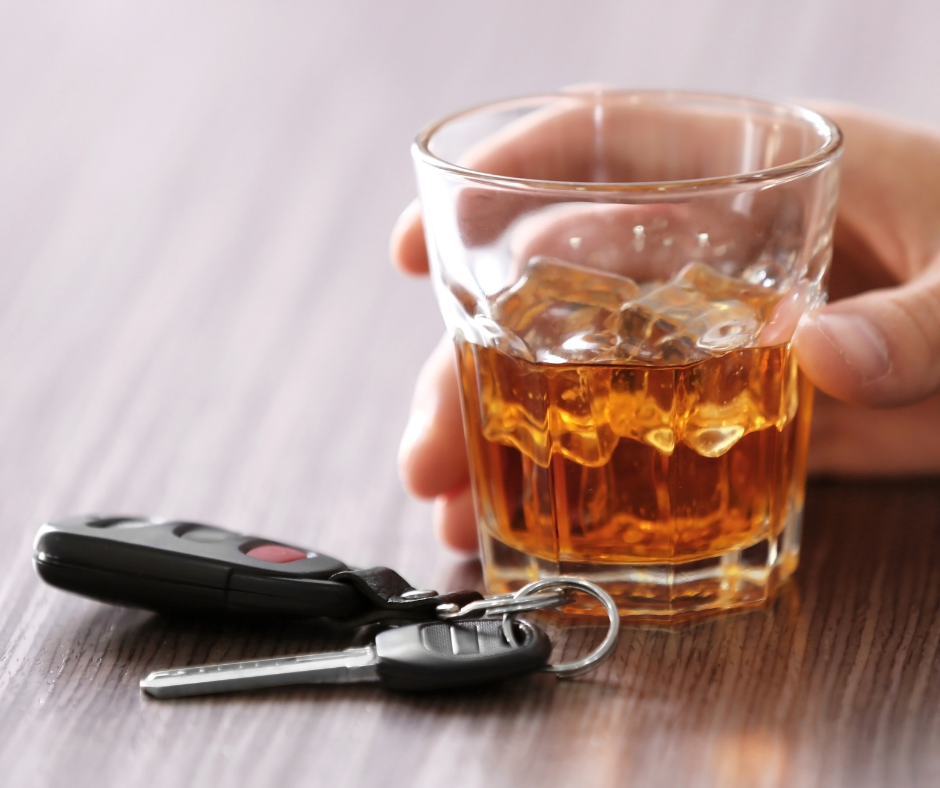
- APC (Actual Physical Control): being in physical control of a vehicle while intoxicated-for example, sitting in the driver’s seat with keys accessible-even if the vehicle is parked and the engine is off.
Every DUI arrest triggers two separate legal tracks. The criminal case determines guilt, jail time, and fines. A separate administrative process through Service Oklahoma can revoke your driver’s license independently, even if criminal charges are later reduced or dismissed.
Oklahoma’s implied consent law means that by driving on Oklahoma roads, you consent to a breath or blood test if lawfully arrested for impaired driving. Refusal carries its own administrative penalties.
The sections below walk through specific types of DUI cases and penalties, including non-aggravated DUIs, aggravated DUI charges, DUI with injuries, under-21 DUI, and child endangerment related to DUI.
Standard (Non-Aggravated) DUI in Oklahoma
A standard or non-aggravated DUI is the most common oklahoma DUI charge. A first DUI offense is typically a misdemeanor in Oklahoma when no aggravating factors are present.
The legal thresholds are straightforward:
- Adult drivers (21+): BAC of 0.08% or higher, or proven impairment from alcohol or drugs, within two hours of arrest.
- Drugs: presence of Schedule I controlled substances or certain metabolites (such as THC) can constitute DUI per se even with 0.00 alcohol on a breath test.
Penalties for DUI offenses in Oklahoma can include jail time, fines, license revocation, and mandatory treatment programs. For a first offense DUI, expect:
- 10 days to 1 year in county jail. First offense DUI can result in up to one year in jail.
- First offense DUI fines can reach up to $1,000.
- Mandatory alcohol and drug assessment, completion of recommended treatment, and possible DUI school.
- License suspension and potential ignition interlock device installed on your vehicle, handled separately by Service Oklahoma.
Oklahoma uses a 10-year lookback period for enhancement. Even a deferred judgment on a prior DUI counts as a prior conviction for 10 years after completion. So if you received a first offense misdemeanor DUI in 2017 and pick up a second DUI offense in 2026, that second case becomes a felony because both fall within the lookback window.
Consider this comparison: a driver with no prior record facing a 0.09 BAC non-aggravated DUI is looking at a misdemeanor and possible deferred sentence. The same driver with a 2019 DWI conviction on record would face felony charges for the exact same conduct.
AMA Law’s dui defense team intervenes early-reviewing dashcam footage, bodycam recordings, and breath test records-to identify weaknesses in the prosecution’s case and negotiate reductions or dismissals where possible.
Aggravated DUI and Aggravating Factors in Oklahoma
Aggravated DUI occurs with a BAC of 0.15% or higher, but under SB 54 (effective November 1, 2025), Oklahoma broadened the definition well beyond high BAC alone.
Under prior law, an aggravated DUI on a first offense was still typically a misdemeanor but carried extra conditions:
- Still may be a misdemeanor on a first offense, but with extra conditions: at least 90 days of ignition interlock device requirements, 1 year of supervision with regular testing, required assessment and treatment, and potential for longer probation.
Prosecutors and judges now evaluate these aggravating factors:
- Very high BAC (0.15+).
- Excessive speeding or reckless driving (20+ mph over the limit, or 10+ in school zones).
- Crash with property damage or minor injury.
- Child passenger under 18 in such vehicle.
- Prior DUI or alcohol-related offense in the past 10 years.
Aggravating factors for DUI can include causing an accident, having a minor passenger, and excessive speeding. Under SB 54, aggravated DUI is now classified as a felony under many circumstances-even on a first DUI arrest-with mandatory, non-suspendable jail time. Mandatory jail time is now required for aggravated DUI cases: at least 10 days for a first aggravated offense that cannot be deferred, suspended, or probated.
Here’s how regular DUI compares to aggravated DUI:
- Regular first-offense DUI: misdemeanor, 10 days–1 year jail possible, fine up to $1,000, shorter license suspension.
- Aggravated first-offense DUI (with aggravating factors beyond BAC alone): felony punishable by prison time, mandatory non-suspendable jail, longer ignition interlock periods, and permanent felony record consequences.
AMA Law challenges aggravated dui charges by reviewing breath test calibration records, officer training documentation, field sobriety testing procedures, and whether the alleged aggravating factors actually satisfy the statute’s requirements.
Felony DUI in Oklahoma: Repeat Offenses and Enhancements
Oklahoma treats many second and subsequent DUIs as felonies when they fall within the 10-year lookback window. A second DUI offense can lead to a felony charge, and penalties escalate dramatically with each subsequent conviction.
Here’s the typical felony DUI progression:
- Second DUI within 10 years: felony, 1–5 years in prison, up to $2,500 fine, mandatory assessment and treatment, and inpatient time or minimum jail.
- Second felony DUI: 1–10 years in prison, up to $5,000 fine, community service and ignition interlock.
- Third or subsequent felony DUI: 1–20 years in prison, up to $5,000 fine, lengthy supervision, 480 hours of community service, and long-term interlock requirements.
SB 54 changed the landscape further. Because aggravated DUI is now classified as a felony offense even on a first DUI arrest in many situations, people with no prior DUI record could face felony charges and felony penalties if aggravating factors are present. Prosecutors can pursue harsher penalties based on new aggravating factors added by the law.
Out-of-state DUI convictions and municipal court convictions from Courts of Record (such as Oklahoma City or Tulsa) count for enhancement purposes. A DUI conviction from another state can elevate an Oklahoma DUI to felony level.
Consider this example: a person receives a DUI with a deferred judgment in 2018. In 2026, that same person is arrested for DUI with a child in the car. Because the 2018 case falls within the lookback period, and a child passenger is an aggravating factor under SB 54, the 2026 offense becomes an aggravated DUI felony with at least 10 days of non-suspendable jail time.
AMA Law’s felony DUI defense involves analyzing whether prior convictions legally qualify for enhancement, challenging second and subsequent charges where statutory requirements aren’t met, negotiating charge reductions, and preparing for trial when necessary.
DUI with Injury, Great Bodily Injury, or Death
When impaired driving causes a serious injury or death, charges move beyond simple DUI into violent felony territory with years-or life-in prison at stake. DUI with personal injury can escalate to felony charges, and causing great bodily injury while DUI is a violent felony.
Key DUI-related injury offenses under Oklahoma law:
- DUI with personal injury: can be a misdemeanor or felony depending on injury severity. DUI with injury can lead to felony charges in Oklahoma when injuries are significant. A DUI causing serious injury can result in up to ten years imprisonment.
- DUI with great bodily injury: treated as a violent felony under 47 O.S. § 11-904(B). Great bodily injury includes serious permanent disfigurement, loss of bodily function, or long-term health impairment, carrying 4 to 20 years in prison and fines up to $5,000.
When a DUI causes death, the stakes rise further:
- DUI-related death can lead to First-Degree Manslaughter charges under 21 O.S. § 711, carrying a minimum of four years in prison and potentially life.
- Second-Degree Murder charges may apply when a “depraved mind” or extreme recklessness is alleged by prosecutors.
- Penalties can include lengthy prison terms, large fines, and permanent felony records.
Causation is central in these dui cases. Defense teams scrutinize accident reconstruction reports, toxicology evidence, speed data, road conditions, and whether a third party-such as another driver’s negligence-contributed to the crash.
In injury and death cases, victims’ civil personal injury or wrongful death lawsuits often proceed alongside the criminal prosecution. AMA Law’s personal injury and criminal defense teams can coordinate strategy across both tracks. Immediate legal representation is critical to preserve physical evidence, secure witness statements, and respond to aggressive charging decisions by prosecutors.
DUI and Child Endangerment in Oklahoma
Driving under the influence with a child in the vehicle is classified as child endangerment under Oklahoma law. DUI with a child in the vehicle is a felony offense, and such person faces consequences far beyond a standard DUI.
Here’s how Oklahoma’s child endangerment statute intersects with DUI:
- Having a child under 18 in the vehicle while committing DUI can double fines in the DUI case. Penalties for DUI with minors include doubled fines and possible jail time.
- Prosecutors often also file a standalone felony child endangerment charge under 21 O.S. § 852.1, with up to 4 years in the Oklahoma Department of Corrections and up to $5,000 in fines.
Both the driver and a parent or guardian who knowingly allows an intoxicated person to drive with the child can be charged. An affirmative defense exists if the parent reasonably believed denying permission would cause substantial harm to the child or themselves.
Collateral consequences compound quickly:
- Possible loss or restriction of custody or visitation, with DHS involvement.
- Mandatory parenting classes, substance abuse treatment, and family court supervision.
Imagine this scenario: a parent leaves a restaurant after drinking, drives with their 8-year-old in the back seat, and is stopped for a broken taillight. The officer detects alcohol, arrests the driver, and the breath test reads 0.10. What started as a routine traffic stop becomes a multi-felony case-DUI plus a separate child endangerment charge, plus potential aggravated DUI under SB 54.
AMA Law defends these cases by contesting impairment evidence, challenging the breath test or field sobriety results, and presenting mitigating facts about parenting history, treatment compliance, and lack of prior record.
Under-21 DUI and Zero-Tolerance Alcohol Cases
Oklahoma imposes zero-tolerance rules for drivers under 21. Underage DUI carries a zero-tolerance policy, meaning any detectable alcohol is a criminal offense-even well below the 0.08 legal limit for adults.
There’s a meaningful distinction between:
- Under-21 DUI/APC with any measurable amount of alcohol, which is a criminal offense under 47 O.S. § 11-906.4.
- Administrative “zero-tolerance” license actions for BAC at or above 0.02 in drivers under 21, which can strip driving privileges independently.
Typical penalties for underage impaired driving cases include:
- Fines and potential jail or juvenile detention, depending on age and court jurisdiction.
- Mandatory alcohol education, victim impact panel attendance, and assessment or treatment.
- Driver’s license suspension, possible ignition interlock, and significantly higher insurance costs.
Prosecutors and judges treat underage DUI cases seriously. A conviction can derail college admissions, revoke scholarships, disqualify military eligibility, and create barriers to professional licensing down the road. A person incapable of appreciating these long-term impacts at 19 may pay for that mistake for decades.
AMA Law communicates directly with families, walks them through municipal versus state court procedures, and explores diversion programs, deferred sentences, or expungement options where available. Minor-in-possession or fake ID charges are sometimes filed alongside under-21 DUI, making a coordinated defense strategy essential.
License Suspensions, Administrative Hearings, and IDAP
Every Oklahoma DUI arrest triggers two separate tracks: the criminal case in court and a civil administrative process that can revoke your driver’s license-even if criminal charges are reduced or dismissed entirely.
The administrative process works like this:
- For failed chemical tests (0.08+ BAC for adults, any measurable alcohol for under-21), law enforcement sends a notice to Service Oklahoma.
- Driver’s license revocation typically begins 30 days after notice unless the driver timely requests an administrative hearing. Defendants can contest license suspension within 30 days of arrest.
- Refusing the breath test or blood test usually brings longer revocation periods: 180 days for a first refusal, then 1 year and 3 years for later refusals within 10 years.
Administrative hearings address limited issues:
- Whether the stop and arrest were lawful.
- Whether implied consent advisements were properly given.
- Whether the breath test was correctly administered.
- Whether the driver refused testing.
- Hearings can be in person or by phone; losing the hearing sustains the revocation. A DUI charge can be contested through administrative hearings.
The impaired driver accountability program (IDAP) offers an alternative:
- An alternative allowing continued driving with an ignition interlock device instead of a “hard” license suspension, if eligibility requirements are met.
- Typical conditions include compliance monitoring, clean interlock reports, and no new violations.
A third license revocation within 10 years can trigger mandatory ignition interlock before reinstatement, even after the revocation period ends.
AMA Law moves quickly to request hearings, prepares clients to testify, challenges the breath test and arrest procedures, and advises whether IDAP enrollment or fighting the revocation is the stronger path.
Testing, Refusals, and Implied Consent in Oklahoma DUI Cases
Oklahoma’s implied consent law means that by driving, you agree to submit to a breath test, blood test, saliva, or urine testing if lawfully arrested for DUI or involved in an accident causing serious injury or death.
Chemical testing basics:
- Types of tests: breath test machines approved by the Board of Tests for Alcohol and Drug Influence, blood draws by qualified personnel using such person’s blood or other bodily fluid, and less common urine or saliva tests. Any bodily fluid administered for testing must follow Board protocols.
- Admissibility requirements: proper machine maintenance, operator certification, 15-minute observation period, and strict adherence to Board of Tests rules. Person’s blood alcohol concentration must be measured according to these standards.
Regarding refusal:
- Refusing a breath test or blood test can be used as evidence against a defendant in the criminal case.
- Refusal typically leads to longer license revocation periods than a failed test.
- Unconscious or incapacitated drivers may still be tested; the law treats a person incapable of refusing as having consented.
Oklahoma allows independent tests at the defendant’s expense. After complying with the officer’s test, drivers can request their own independent test. The law enforcement officer does not have to volunteer this information-you must ask.
Challenging chemical test results is a key defense strategy. Common attacks include:
- Questioning machine calibration and maintenance records.
- Challenging chain-of-custody in blood and urine samples.
- Arguing rising BAC or delayed testing issues, especially important under SB 54’s expanded test-admissibility rules that give prosecutors greater leeway with delayed testing.
AMA Law routinely requests calibration logs, video of field sobriety tests, and expert review of lab results to weaken the prosecution’s chemical evidence. This approach applies to every type of DUI charge, from a standard first offense to aggravated driving cases.
How New Law SB 54 Changes Aggravated DUI and Felony Exposure (Effective November 1, 2025)
Oklahoma’s SB 54 takes effect on November 1, 2025. This major DUI reform law passed the Oklahoma Legislature over the Governor’s veto and fundamentally expanded when impaired driving cases can be treated as felonies-even for first time offenders.
Before SB 54:
- First DUI offenses were typically charged as misdemeanors unless there was great bodily injury, death, or certain prior violent felonies.
- Aggravated DUI was mainly tied to high BAC (0.15+) with extra conditions but not always treated as a felony.
Key SB 54 changes:
- Expanded definition of aggravated DUI to include additional aggravating factors: children in such vehicle, excessive speeding, causing any accident, reckless driving, and situations where the driver eludes law enforcement-all potentially triggering felony exposure even at lower BAC levels.
- SB 54 allows first-time DUI offenders to face felony charges when the offense qualifies as aggravated DUI.
- Mandatory, non-suspendable jail terms: 10 days for first aggravated offense, 30 days for second, increasing by 30 days for each subsequent offense. Judges cannot defer or probate these mandatory minimums.
SB 54 also changed chemical test evidence rules:
- Allows prosecutors greater leeway to use tests taken well after the time of driving, increasing the need to challenge timing and scientific reliability. The person’s ability to contest delayed test results becomes a critical defense issue.
Cases arising before November 1, 2025 fall under old rules; those after fall under SB 54. This timing distinction matters significantly for defense strategy and sentencing.
Experienced DUI defense from AMA Law is even more critical under SB 54, given higher felony exposure, severe penalties, harsher sentencing rules, and fewer options for negotiated misdemeanor reductions.
Defending Different Types of DUI Cases in Oklahoma
The best dui defense strategy depends on the type of DUI charge. Non-aggravated DUI, aggravated DUI, felony DUI, under-21 DUI, DUI with injury, and child endangerment cases each require different approaches. Evidence of impairment must be proven beyond a reasonable doubt in every criminal case.
Core defense themes across all types of dui in oklahoma:
- Challenging the traffic stop for lack of reasonable suspicion or probable cause.
- Attacking field sobriety test administration and interpretation-questioning whether standardized protocols were followed.
- Contesting breath test and blood test reliability, calibration, and lab procedures. Driver’s blood alcohol concentration readings are only as reliable as the equipment and operators behind them.
- Questioning whether the driver was actually in actual physical control of the vehicle.
- Arguing lack of proof of causation in injury and death DUI cases.
Beyond the core defenses:
- License protection tactics: quick hearing requests, IDAP enrollment, and limited work permits to keep clients driving.
- Negotiation strategies: reducing aggravated DUI to standard DUI, or DUI to DWI, or seeking deferred sentencing and expungement eligibility.
- Trial preparation: using toxicology experts, accident reconstructionists, and cross-examining police officers on training gaps and procedural errors.
AMA Law brings specific strengths to DUI defense work:
- Nearly 30 years in practice with wide criminal defense experience, including DUI and related violent felonies.
- 24/7 availability, direct attorney access, and a methodical, evidence-driven approach.
- Ability to coordinate criminal defense with related personal injury or wrongful death matters arising from the same event.
Contact AMA Law quickly after a DUI arrest to preserve dashcam footage, witness statements, and meet Service Oklahoma deadlines for administrative hearings. Every day matters for public safety and for protecting your rights.
Why Work with AMA Law for Oklahoma DUI Defense?
A DUI arrest is overwhelming. The criminal penalties, the license suspension threat, the impact on your career-it all hits at once. Choosing the right DUI defense lawyer can change the outcome of both the criminal case and your driving privileges.
AMA Law’s key differentiators:
- Full-service criminal defense and personal injury firm based in Oklahoma City, serving clients statewide.
- Office located at 9211 Lake Hefner Pkwy #104, Oklahoma City, OK 73120, with attorneys available 24/7 for emergency DUI calls.
- Direct access to your attorney-not just staff-with honest case assessments and clear explanations of oklahoma dui laws and SB 54 changes.
Criminal defense capabilities:
- Aggressive, trial-ready approach to DUI, aggravated driving, child endangerment, and related felony charges.
- Experience handling administrative hearings, IDAP enrollments, and appeals to protect clients’ driver’s licenses.
- Tailored defense strategies for first time offenders, repeat offenders, under-21 drivers, and professionals whose licenses or careers face permanent damage from traffic violations and a DUI on their record.
AMA Law has recovered over $200 million for injury clients and brings deep litigation experience that translates into strong courtroom skills in dui cases.
Request a free, confidential DUI case evaluation today. Call (405) 607-8757 or fill out the contact form anytime after a DUI arrest for immediate guidance. Don’t let a DUI ruin your life-reach out now.
FAQ: Types of DUI in Oklahoma and What to Do Next
These frequently asked questions address practical concerns not fully covered above.
Can a first DUI in Oklahoma really be a felony?
Under prior law, most first DUIs were misdemeanors unless there was serious injury, death, or certain prior violent convictions. But SB 54 (effective November 1, 2025) changed this. A first aggravated DUI can now be charged as a felony offense when aggravating factors are present-such as a child passenger, excessive speeding, or causing an accident. Have an attorney review your arrest date, blood alcohol content level, and any aggravating factors to determine your felony risk.
How long does a DUI stay on my record in Oklahoma?
A DUI conviction can remain on your criminal record permanently unless expunged. For enhancement purposes, it counts as a prior conviction for 10 years. Driving record entries may be handled differently by the oklahoma department of Service Oklahoma. Certain first-time DUI, DWI, or APC cases may qualify for expungement after waiting periods if you complete probation and have no new criminal cases. AMA Law can evaluate your eligibility.
What should I do immediately after a DUI arrest to protect my license?
Contact an Oklahoma DUI defense attorney quickly. There are tight deadlines-often within 15 to 30 days-to request administrative hearings or enroll in programs like IDAP before automatic revocation starts. Keep all paperwork from the arrest, note details of the traffic stop and field sobriety tests, and avoid discussing the case with anyone except your lawyer.
Is refusing the breath test better than failing it in Oklahoma?
Refusal is not automatically better. It can lead to longer license revocations and can still be used as evidence in court, though it denies prosecutors a BAC number for their case. The best approach depends on your specific situation. People with pending dui charges should consult with AMA Law before making assumptions about the impact of refusal on their criminal offense and administrative case.
Can AMA Law help if my DUI involved an accident with injuries?
Yes. AMA Law regularly represents clients in impaired driving cases involving crashes, bodily injury, and fatalities-defending the criminal case while also managing related personal injury or wrongful death claims. If you’re facing these high-stakes situations, seek immediate representation to protect your rights from day one. Call (405) 353-8941 for a free consultation.
